 |
Fort Homer W. Hesterly Armory
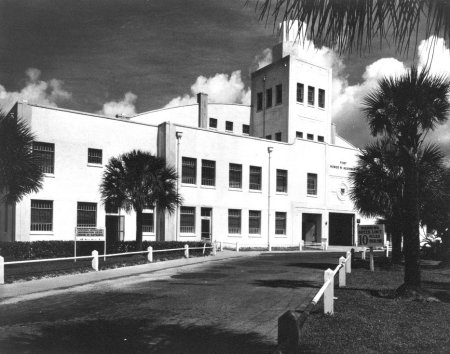
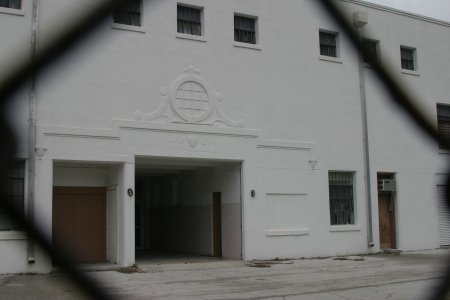
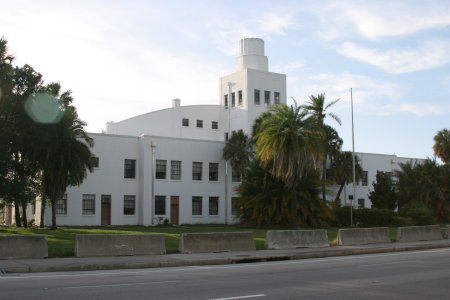
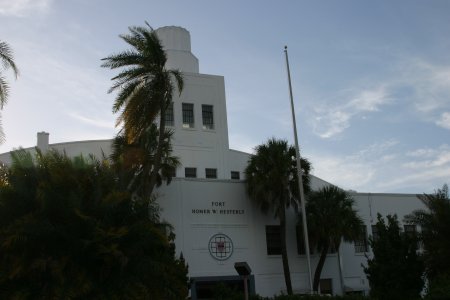
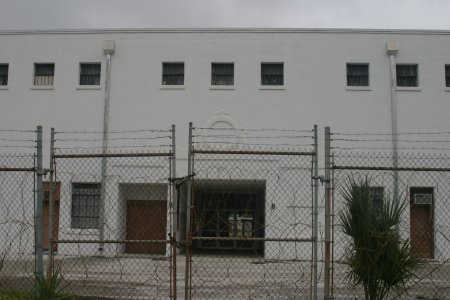
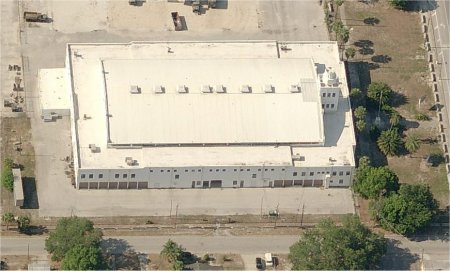
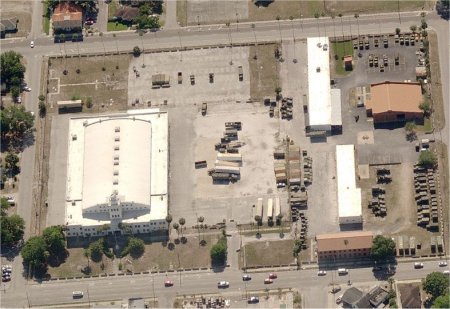
The Fort Homer W. Hesterly National Guard Armory at 522 North Howard Avenue in Tampa, Florida is located in the west area of the city in an urbanized, mixed residential and commercial area, approximately one mile west of downtown. It is a reinforced concrete, stucco covered building constructed with Works Progress Administration allocations totaling $361,880 during Franklin Delano Roosevelt’s New Deal program in 1938. The Armory, built for the 116th Field Artillery Battalion was completed in 1941and on December 8 dedicated Fort Homer W. Hesterly in honor of Colonel Homer Wynne Hesterly, the commanding officer of the Battalion from 1934 to 1954. The Colonel was instrumental in reorganizing the Florida National Guard in Tampa after the First World War and continually lobbied the city of Tampa and Hillsborough County to sponsor a modern armory for his battalion.1
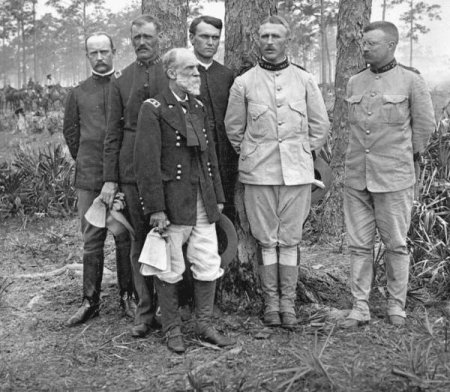
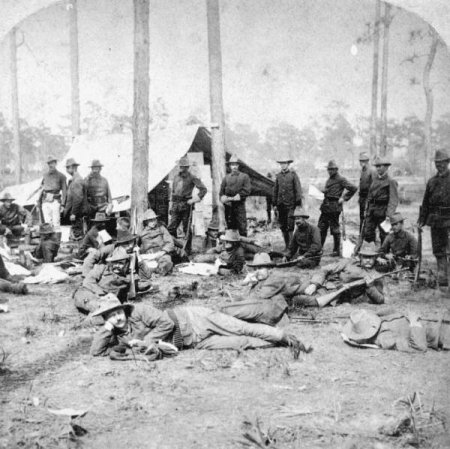
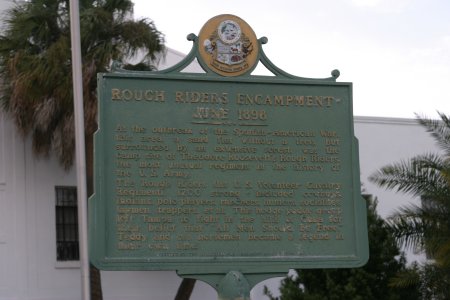
The site of the Armory was originally part of a tract of land belonging to George Nelson Benjamin, an orange grower and West Tampa developer, city councilman, and businessman who donated the land to West Tampa for use as a public park. Originally called "Benjamin Park" it was later renamed "Benjamin Field" and in June of 1898, at the outbreak of the Spanish American War, this area, a sand flat without a tree but surrounded by an extensive forest, was the camp site for Theodore Roosevelt's Rough Riders, the most unusual regiment in the history of the U.S. Army. The Rough Riders (1st U.S. Volunteer Cavalry Regiment) 1200 strong included cowboys, indians, polo players, ranchers, hunters, socialites, lawmen, trappers, et al. 2 In 1921, the City of Tampa leased the land to the Armory Board for use as a National Guard drill facility.
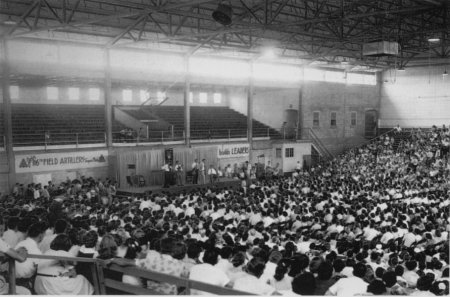
In addition to providing arms storage, operations and drill space for the Guardsmen, the Armory also served Tampa’s community as a central venue for sporting events, social gatherings, speaking engagements and political events for over five decades. Continuing in the practice of a modern, community-centered national guard, the Armory hosted company dinners, community dances, and school recitals from the 1940s through the 1960s. Wrestling matches were also frequently held events at the Armory through the 1980s, and local legend states that professional wrestling in Florida was born at Fort Homer W. Hesterly. Music concerts were another common event at the armory.1
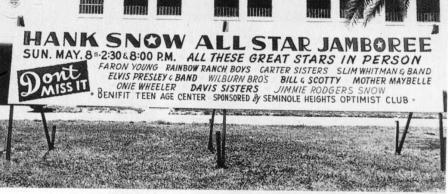
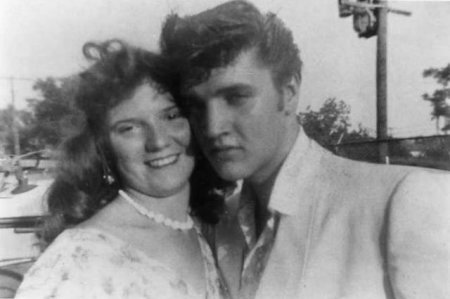
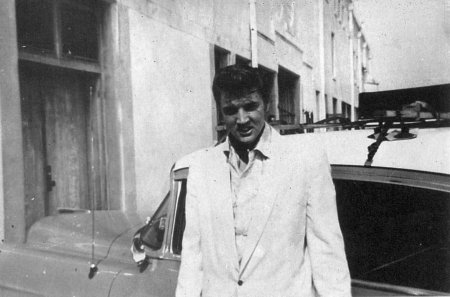
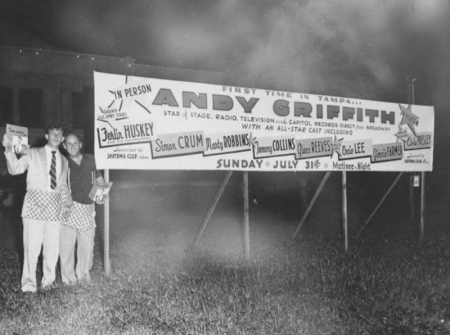
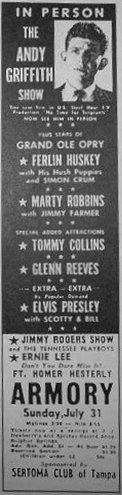
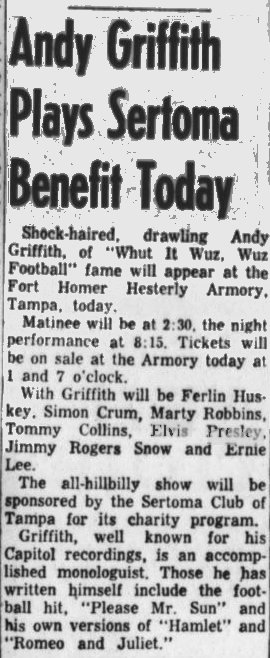
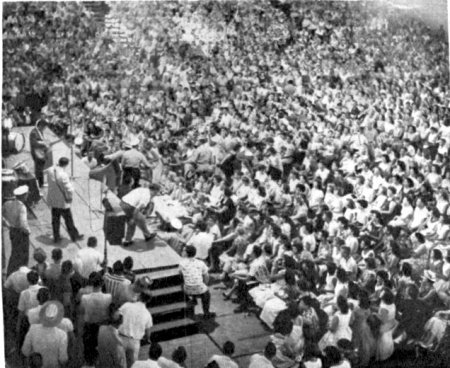
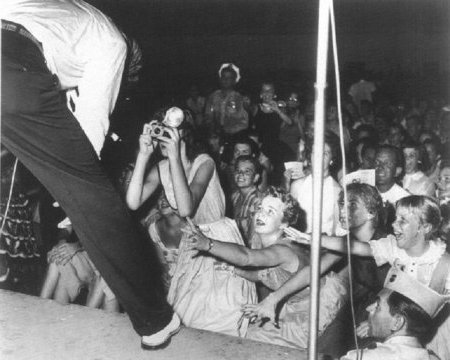
Elvis, Scotty and Bill performed there on four occasions, the first on May 8, 1955 just five days before their appearance in Jacksonville where at the conclusion of the performance, Elvis announces to a good portion of the audience of 14,000: "Girls, I'll see you backstage." The response was a full--scale riot, with fans pursuing Elvis into the dressing room and tearing off his clothes and shoes. In the opinion of the Colonel's advance man, Oscar Davis, this was the point at which Colonel Parker was irrevocably sold on the growth potential of Elvis Presley.3
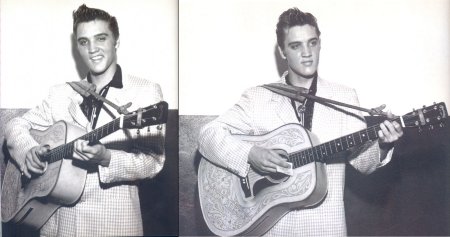
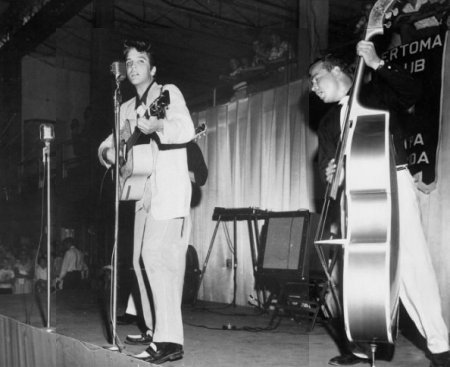
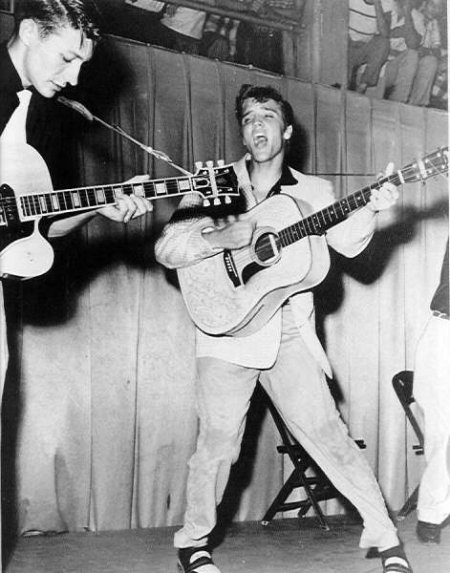
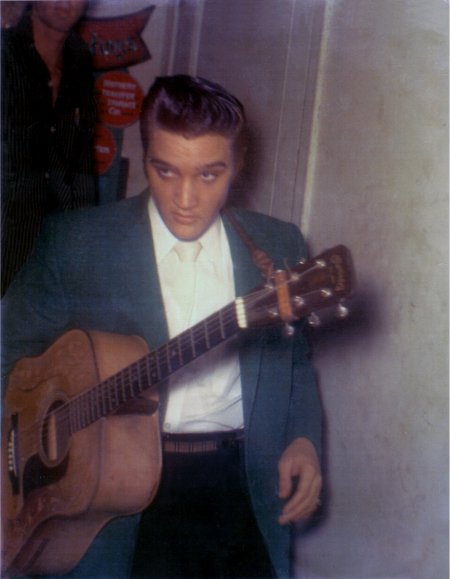
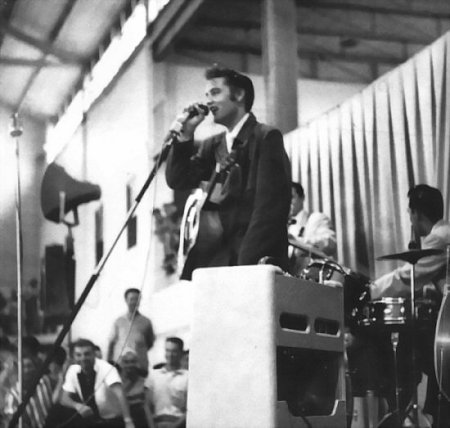
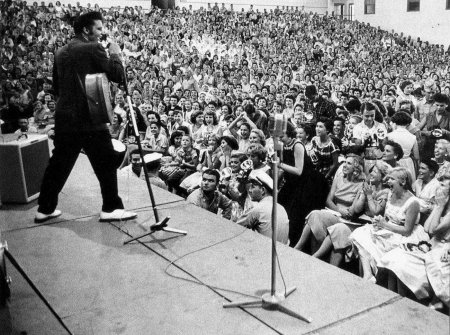
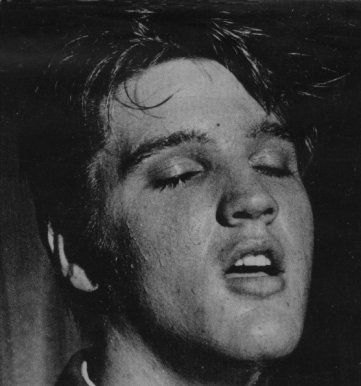
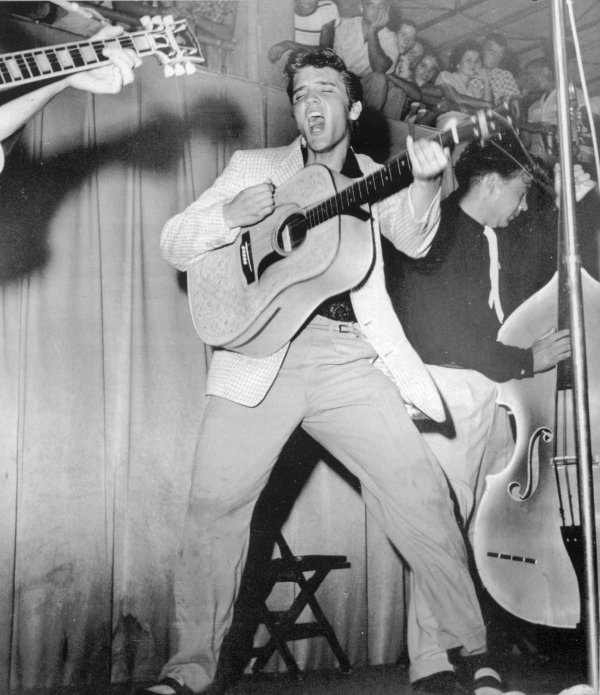
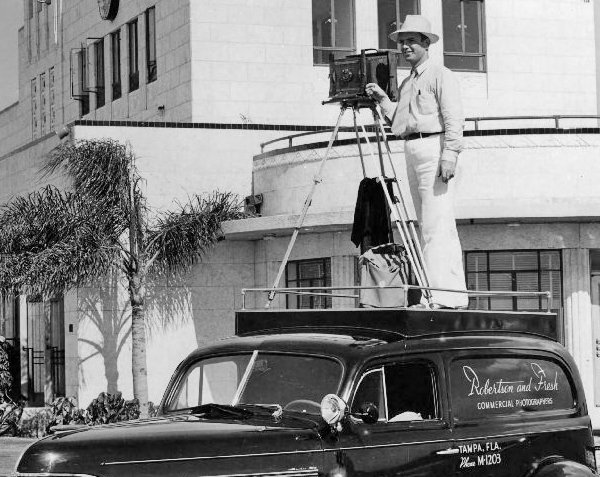
During their appearance at the Armory on July 31st the Colonel (Parker) hired local photographer William V. "Red" Robertson to shoot a series of photos. One, commonly referred to as the "Tonsil" photo, in a cropped version would later be used as the cover of Elvis' first LP from RCA in 1956 and used extensively in newspaper and print to promote future shows. It also became a famous Hatch show print.
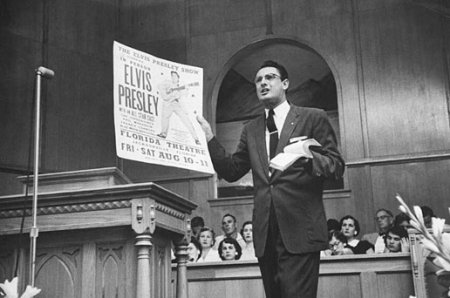
Elvis' popularity though was not without controversy. Just days after their final appearance at the Armory a local Juvenile Court judge in Jacksonville, Florida called Elvis a "savage" and threatened to arrest him if he shook his body while performing at Jacksonville's Florida Theatre, justifying the restrictions by saying his music was undermining the youth of America. Throughout the performance, Elvis stood still as ordered but poked fun at the judge by wiggling a finger.4
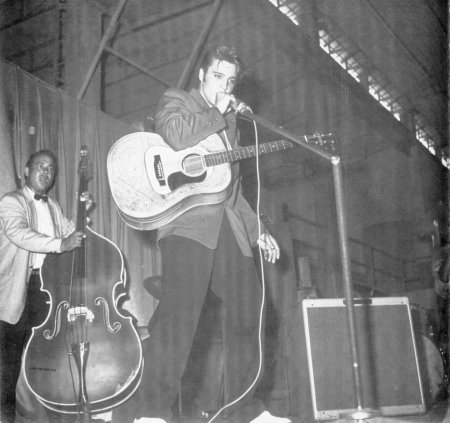
By the time of their final two appearances at the Armory on February 19 and August 5, 1956, each of which followed recent television appearances (The Dorsey Bros.' Stage Show and The Steve Allen Show), they had gone from supporting act to headliner. DJ was now a regular member of the band and performed there with them also.
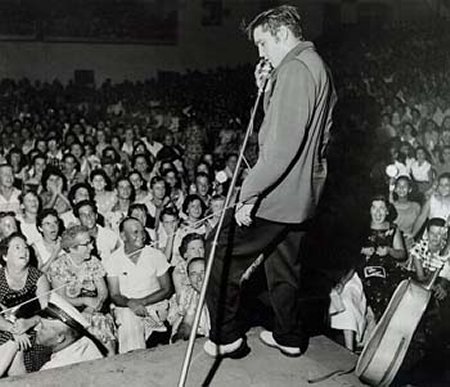
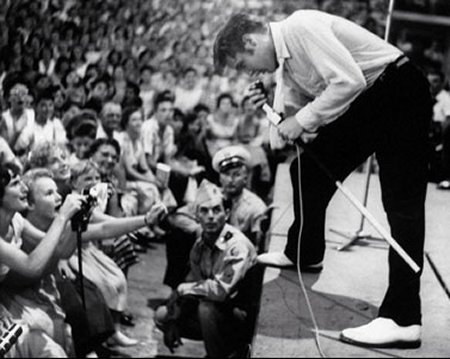
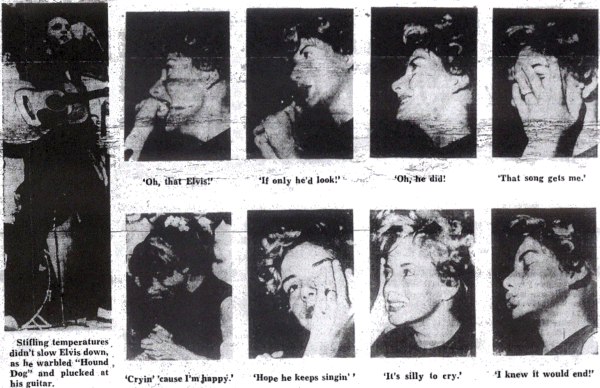
The August 5 appearance was photographed by Tampa photographer Bob Moreland for the St. Petersburg Times, reviewed in the August 6th edition by Anne Rowe and depicted in the photo book "The Cool King" by Ger Rijff. Peter Guralnick wrote in "Last Train To Memphis", "there were two shows that day in at the Fort Homer Hesterly Armory, sponsoered by the Seratoma Civic Club, with seats at $1.50 and $2.00. There were boxes set up for a stage, no house PA, two microphones, and two amps, with the same incongruous procession of vaudeville acts that Al Dvorin, the Chicago booking agent, had been supplying since the spring, amounting to an hour and a half of mediocre warm-ups preceding the main 20 minute show."
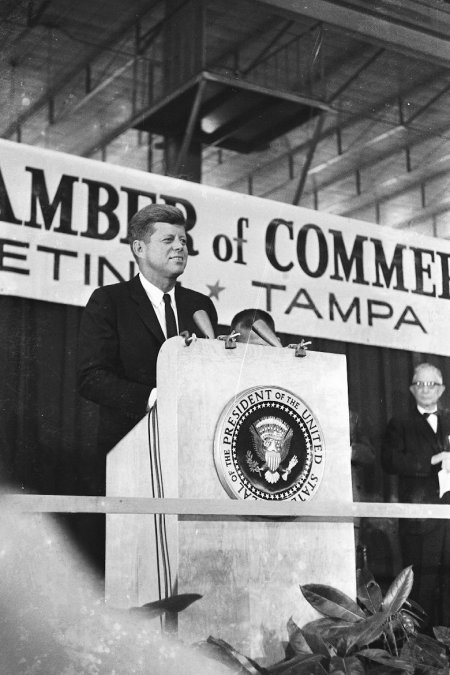
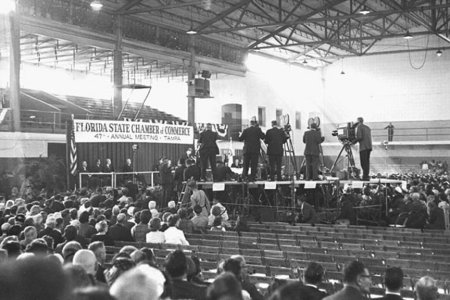
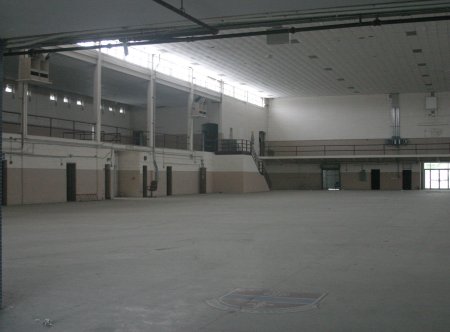
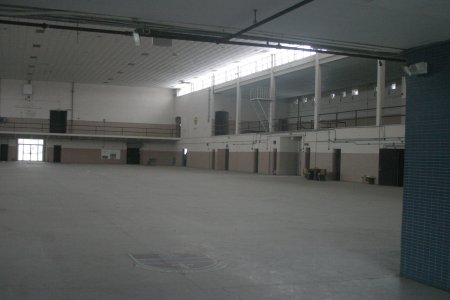
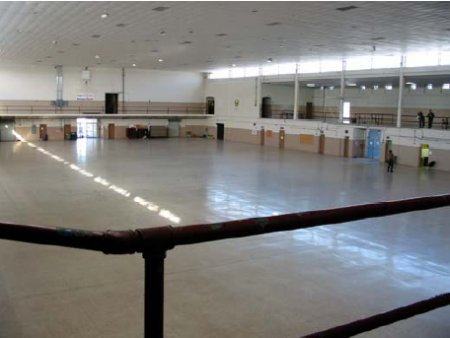
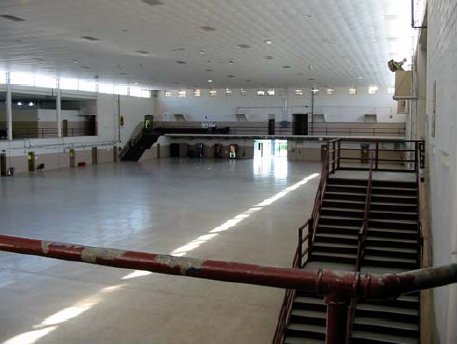
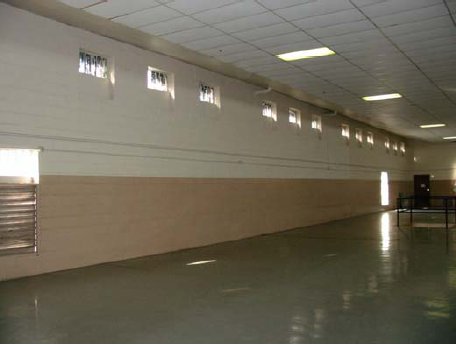
The interior of the Armory consists of a drill hall surrounded by storage rooms, offices, and open spaces. Significant interior features are arched doorways, projecting metal guard stands attached to the east upper wall of the drill hall, and clerestory windows lining the drill hall. Most of the interior doors in the offices surrounding the drill hall appear to have been replaced with newer metal or particle board doors; however, a few of the original, solid wood doors still exist. During segregation in Tampa, the Armory was used for many African-American social events. Fort Homer W. Hesterly also hosted many famous speakers, including the Reverend Dr. Martin Luther King, Jr., and President John F. Kennedy. Kennedy’s speech at the Armory to the Florida State Chamber of Commerce businessmen occurred only four days before his assassination in Dallas.1
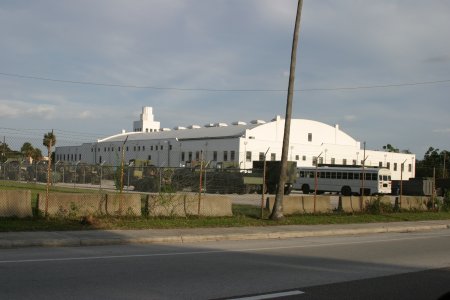
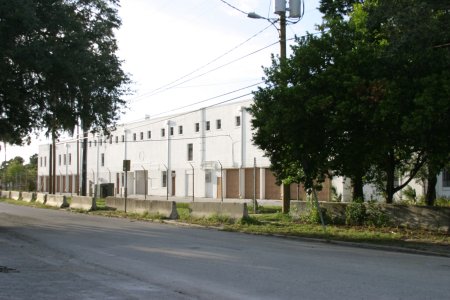
Alterations to the Armory are relatively minor. In 1959, a one-story concrete addition was added to the structure’s rear (west) façade. Glazed metal doors replaced the original wooden doors in each of the entrances, circa 1960s. Interior modifications include an acoustical tile dropped ceiling in both the drill hall and several offices, and industrial vinyl flooring throughout. Photographs show that the drill hall originally contained a wood plank basketball court and that the steel bowstring roof trusses were exposed. Although the steel trusses are now covered by the acoustical ceiling, they remain intact.1 During the '50s and early '60s at least there appears to have been balcony like bleacher style seating on both of the upper sides of the drill hall, but they have since been removed.
The building was home to the National Guard from 1941 until October 2004, when the guardsmen moved to a new facility in Pinellas County. However, the National Guard continues to occupy the northern half of the original site.1 Sadly to say, since the tragic events on September 11, 2001, like all the Armories and many other structures across the country, steel reinforced concrete jersey barriers now surround the site. In recent years there have been various plans for re-use of the Armory and the site (see article) but because of its rich history the city isn't taking lightly plans to redevelop the site. Officials insist that any new use enhance the area and spark redevelopment in West Tampa.5
page added October 10, 2007 1 City of
Tampa, Florida Historic Preservation Commission Local
Landmark Designation Report June 13, 2006 |
|
| Monday August 6, 1956 |
St. Petersburg Times |
|
|
Rock 'n Roll King Wows Suncoast (And One Fan In
Particular)
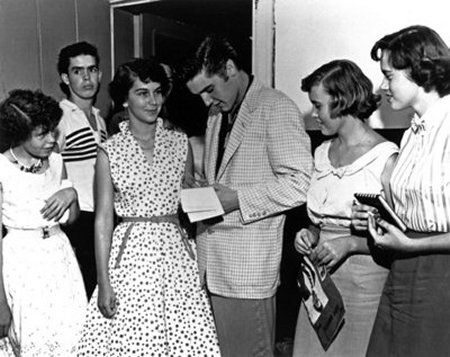
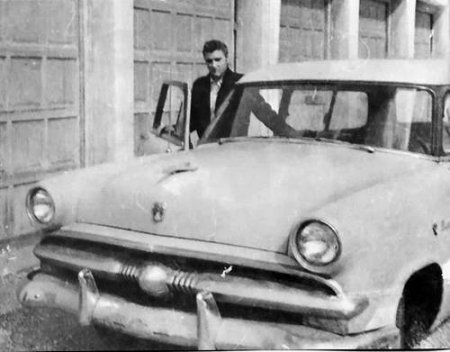
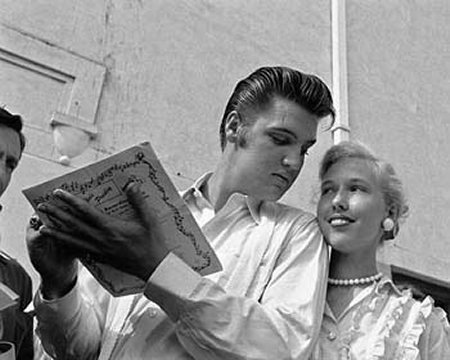
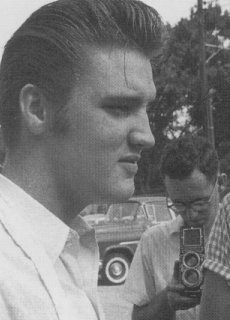
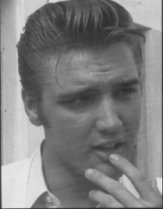
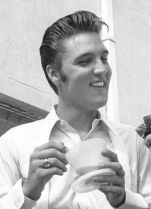
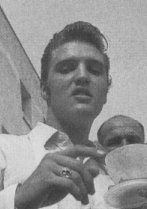
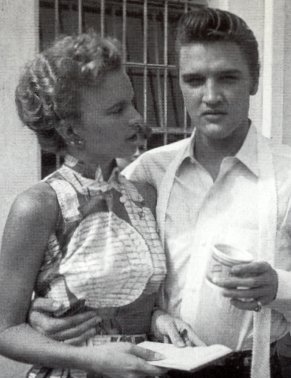
He Loves Everyone, They Love Him Dressed as sharp as a cat in black pegged pants, striped belt, blue shirt, white tie, maroon jacket and white bucked shoes, the king of rock 'n roll picked up a broom and started sweeping out his dressing room. This was my fabulous introduction to the four-Caddie Elvis Presley whose reputation had given this reporter reason "to proceed with caution" in his presence. No need for alarm though, for Presley posed willingly for press photographers, answered questions without hesitation and seemed to us like a real regular guy during the hour we spent with him in his dressing room before his first appearance at the Fort Homer Hesterly Armory in Tampa yesterday. Presley will appear at the Florida Theatre here Tuesday for three performances. Appearing just a little bit nervous, Elvis swept the floor clear of cigarette butts, and then transformed the broom into a microphone, crooning "Don't Be Cruel" into its handle. Putting the broom aside, he walked outside, where it was only slightly cooler than the stifling heat in his dressing room, surveyed the curiosity seekers lined up at the gate, laughed and hollered, "I'll be right with you" -- with no obvious southern accent. Elvis gave me the impression that he would have enjoyed going over to the gate and talking with his fans. He signed autographs of those who were permitted to talk with him and seemed to enjoy playing with a couple of tots nearby who were observing the commotion with wide-eyed wonder. FAVORITE SONG Asked what he thought of those who imitate him, he said, "I think it's good. It shows I'm doing well enough, otherwise why would they want to imitate me?" Naturally we asked him if he was interested in girls. To this he replied with a wink, a smile and a mere "yes," said he had a "steady at one time," but hasn't given much thought to marriage or the type of girl he would choose. LIKES JAMES DEAN What will he do when this rock 'n roll "fad" passes? "I'll probably sit back and think about what I once had ... with no regrets. Right now, I don't think about that," Presley retorted. Apparently Presley wasn't pleased with his much publicized performance on the Steve Allen show, when he appeared in a dinner suit and was forced to stand still while going through his act. "All I thought about that suit," said Elvis, "was getting out of it." NO QUARREL WITH CRITICS Elvis is amazed at his sudden success, but is enjoying every minute of it. He does feel bad that his busy schedule gets him home only about once a month. He is very close to his parents who live in the $40,000 air conditioned ranch home he bought for them in Memphis. He says his mother and father encourage his career, feel he is not contributing to juvenile delinquency and accept his absence from home as a matter of course. "I used to travel by plane all the time," replied Presley when we asked him how he commuted, "but once I got scared flying so now I travel down here on the ground in a car." Elvis did not arrive in one of his four Cadillacs, but instead propelled a slinky white, $10,000 Lincoln Continental which he purchased in Miami because "I couldn't very well appear on Ed Sullivan's show if I wasn't driving his sponsor's product, could I?" LOVES THAT LINCOLN Besides his cars, Elvis is an avid motorcycle fan, although he has little time to ride his own. Our interview came to a halt when a knock on the door informed Presley that it was time for him to go on. He thanked me for taking time out to talk to him and hurried out to the crowd eagerly awaiting his appearance. He was greeted with deafening screams from the audience of about 1,000 teen-agers which oddly enough, was sprinkled liberally with adults. IN HIS GLORY He may be an ex-truck driver from Mississippi, a rockbilly whose "gimmick" has carried him to success, but the ovation he received yesterday proves that Presley is the biggest thing in show business today.
review added August 6, 2008
The last date on the July '55 Florida tour was on July 31st in Tampa. There the Colonel hired Tampa photographer William V. "Red" Robertson of Robertson & Fresh Photographers to take a series of photos of Elvis, several you've seen already covered on this this page.
One of the photos, known as the "tonsil" photo because you can practically see Elvis' tonsils, would be used quite extensively for advertising and still is. It was also used as the cover of Elvis' first LP from RCA.
section added July 9, 2013
|
||
|
All photos on this site (that we didn't borrow) unless otherwise indicated are the property of either Scotty Moore or James V. Roy and unauthorized use or reproduction is prohibited. |
||